
The Thai community celebrates Lunar New Year with dishes rich in heritage and symbolism. At the heart of the celebration is Wei Lu, the reunion feast where families gather to welcome the New Year. The meal features symbolic dishes such as longevity noodles for long life, whole fish for prosperity, raw fish salads for abundance, and sticky rice cakes—Niangao or Khanom Kheng—representing progress and good fortune.
Longevity Noodles for Long Life
Noodle dishes are found in all Thai restaurants, with Pad Thai leading the popularity stakes becoming a favourite in Sydney (taking out Uber Eats' most-ordered dish in Sydney and New South Wales). Thaitown is home to some noodle dishes that are comforting to the Thai community, and are packed with flavours, uncommonly found in the suburbs, such as Boat Noodle Soup, Khao Soi and Mama Noodles.

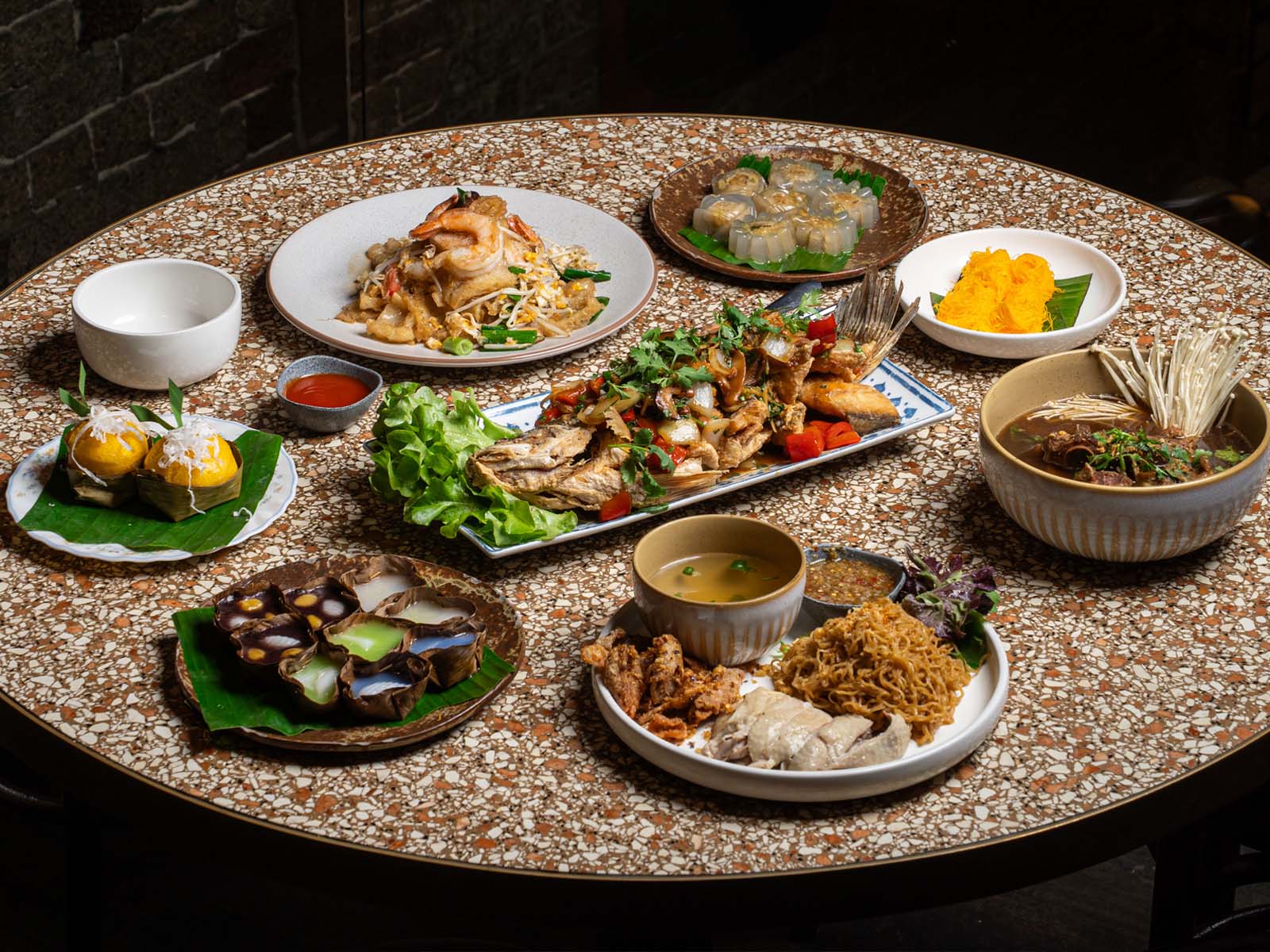
Pad Thai is a Lunar New Year favourite and a must-have for celebrations. This iconic stir-fried noodle dish, with its perfect balance of sweet, sour, and savoury flavours, symbolises prosperity and togetherness—making it a festive staple on Thai tables during the holiday.

Boat Noodles (Kuay eow Ruea) are popular in Bangkok due to their rich and savoury flavours. They promote long life as the dish is packed with proteins from sliced beef, pork, pork balls, and liver, essential for maintaining energy levels. The broth is nutrient-dense, thickened with pork or beef blood that adds iron to the meal. While the aromatic Thai herbs and spices (like garlic, lemongrass, and galangal), which can provide antioxidants and boost digestion.

Khao Soi is a signature Northern Thai curry noodle soup, celebrated for its rich flavours and contrasting textures. The dish combines soft egg noodles in a fragrant coconut curry broth, topped with crispy fried noodles for added crunch. Creamy, spicy, and gently tangy, Khao Soi is traditionally served with shallots, lime, and pickled mustard greens, inviting diners to customise each bowl to taste.

Mama Noodles, Thailand’s leading instant noodle brand and a household staple for over 50 years, are transformed at Khao Kang Maruay into a festive Lunar New Year dish. Celebrating authentic flavours and Thai culinary tradition, the dish has become a beloved way to enjoy Mama Noodles both in Thailand and across Thai communities worldwide.

Two Iconic Fish Dishes for Prosperity from Across Thailand
This Lunar New Year, Sydney diners can enjoy a taste of Thailand’s culinary diversity with two spectacular fish dishes from very different regions of the country. At Nua Lao Thai, the Lao-style BBQ Whole Fish with Rice Noodles & Fresh Herbs is a smoky, savoury celebration dish. Grilled to perfection and served atop delicate rice noodles with vibrant fresh herbs, it’s a communal favourite designed to bring family and friends together.

While at Tawandang Thai Restaurant, the Steamed Whole Fish offers a Central Thai take on the festive table. Tender, fragrant, and served with aromatic herbs, chilli, and lime, the dish symbolises prosperity, abundance, and togetherness—making it a show-stopping centrepiece for Lunar New Year celebrations. Together, these two dishes highlight the rich regional flavours of Thailand, inviting Sydneysiders to share in a culinary celebration of heritage, flavour, and tradition.

Century Eggs
Century Eggs symbolise wisdom, transformation, and embracing life’s surprises—a bold, meaningful addition to the Lunar New Year table. At Bangkok, this celebrated dish adds a unique twist to the festive spread, delighting diners with its rich flavour and striking presentation.
The Chat Thai Lunar New Year feast honours Thailand’s strong Chinese heritage, bringing together dishes from across the country in a single celebratory spread. Chat Thai cuisine continues to respect the founders’ Thai-Chinese lineage, reflecting this rich cultural connection.
Desserts are celebrated at Chat Thai, with unique Thai sweets forming an integral part of the dining experience and serving as a vital counterbalance to the rich, spicy, and savoury flavours of the main dishes. Far from being an afterthought, these desserts—often incorporated as part of the feast and made with coconut milk, palm sugar, and sticky rice—are regarded as an art form, carefully crafted to cleanse and refresh the palate. This philosophy is vividly reflected in Chat Thai’s Haymarket store layout, where dessert-making takes centre stage at the front of the restaurant. For Lunar New Year, the Chat Thai team will serve three desserts, with four options available to choose from.
Khanom Keng and Lunar New Year Traditions
Khanom Keng is a traditional Thai dessert influenced by Chinese migrants who settled in southern Thailand, particularly in Phuket, where Hokkien and Teochew communities have preserved their cultural heritage for generations. Originally called Nian Gao, meaning “prosperous year,” the dessert symbolises hopes for a better life, financial success, and personal growth. Thai families commonly prepare and share Khanom Keng during Chinese New Year, as its sticky, chewy texture represents strong bonds, family unity, and togetherness. The dessert is also traditionally offered to gods and ancestors as a sign of respect and gratitude. In Thailand, local ingredients such as sticky rice, coconut sugar, coconut milk, and banana leaves are used to adapt this classic Chinese sweet, and at Chat Thai, it is presented in four colourful variations (Green colour is made from Pandan, Blue colour is made from Butterflies Pea Flowers, White colour is from plain sticky rice, and the Black colour is made Thai black sticky rice), each topped with young coconut and ginkgo nuts.
Khanom Tian Kaew
Khanom Tian Kaew, adapted from Khanom Keng, is a translucent Thai dessert filled with sweet ingredients and often shaped like a stupa, symbolising prosperity, brightness, and spiritual growth.
Foithong, and Khanom Tarn
Traditional desserts such as Foithong (golden threads of egg yolk) and Khanom Tarn (steamed palm sugar cake) are also central to Thai celebrations. Foithong symbolises prosperity, longevity, and good fortune, while Khanom Tarn represents simplicity, generosity, and a close connection to nature, reflecting the wisdom and cultural values passed down through generations.
Chicken Egg Noodles with Hokkien-Style Seafood Sauce
Chicken Egg Noodles with Hokkien-Style Seafood Sauce symbolise longevity through their long strands of noodles and are specially created for a Thai restaurant to blend Chinese culinary symbolism with Thai flavours. Lightly tossed egg noodles are served with charcoal-grilled chicken and paired with a distinctive dipping sauce that combines traditional Thai Hainanese chicken rice sauce with Thai seafood sauce, known for its refreshing sour and spicy profile beloved by Thai diners. In Thailand, chicken is commonly enjoyed at auspicious celebrations and by people of all ages, while noodles are a staple of everyday cuisine, making this dish both culturally meaningful and warmly familiar.
Pla Jien, Chicken Noodles
Pla Jien is a traditional Chinese-style cooking method long popular in Chinese, or “Lao,” restaurants in Thailand, which are closely associated with family gatherings and festive occasions such as Chinese New Year, when dining out symbolises celebration, togetherness, and prosperity. In Chinese culture, fish represents abundance and good fortune, making Pla Jien a meaningful celebratory dish; it is prepared by pan-frying barramundi over medium heat until the skin is crispy and the flesh remains tender, then seasoned with a soy-based broth and fermented soybean paste, and finished with freshly sliced ginger to add warmth and balance.
Dried Fish Maw
Dried fish maw, introduced to Thailand by Teochew and Hokkien migrants, became a popular banquet dish symbolising abundance, prosperity, and good health. At this restaurant, the fish maw is stir-fried to a crispy yet tender texture and finished with bold Sriracha chilli sauce, giving it a modern, flavorful twist while honouring its auspicious meaning.
Bak Kut Teh
Bak Kut Teh is a herbal pork rib soup originating from the Teochew, Hokkien, and Hakka communities, traditionally eaten by labourers for strength and nourishment. Introduced to Thailand during the late reign of King Rama V, it remains popular for festivals and special occasions. Chat Thai’s version follows the dark Teochew style, featuring an intensely brewed, soy-based broth simmered with pork ribs, Dang Gui, star anise, cinnamon, garlic, and dark soy sauce, resulting in a deep, savoury, and medicinal profile.
...
SBS Food explores: Lunar New Year may not be an official holiday in Thailand, but in Thai-Chinese households it is deeply observed. From ancestral offerings to chilli-bright feasts, these kitchens reveal how Chinese ritual and Thai flavour intertwine — carried across generations and continents.
Continue reading

.svg)
